
LICENSED ELECTRICAL SERVICES
Timothy Coleman Licensed Electrician provides residential, commercial, and industrial electrical services throughout New York City. From repairs and upgrades to maintenance, construction, and larger electrical projects, every job is handled with safety, code compliance, and professional workmanship in mind.
A LICENSED ELECTRICIAN YOU CAN CALL
Timothy Coleman, a New York City Licensed Master Electrician serving homeowners, businesses, contractors, and facilities throughout the five boroughs for over 23 years.
The company is built around straightforward communication, professional execution, and electrical work done correctly from the start.
Our Services
Electrical services for residential, commercial, and industrial customers throughout New York City. From troubleshooting and upgrades to construction, maintenance, and larger electrical projects, select the service area below to find the right support for your needs.
01
Residential Services
Residential electrical services for repairs, upgrades, lighting, power solutions, renovations, and safety improvements throughout the home.
02
Commercial Services
Commercial electrical services designed to support properties, businesses, contractors, and ongoing operations.
03
industrial Services
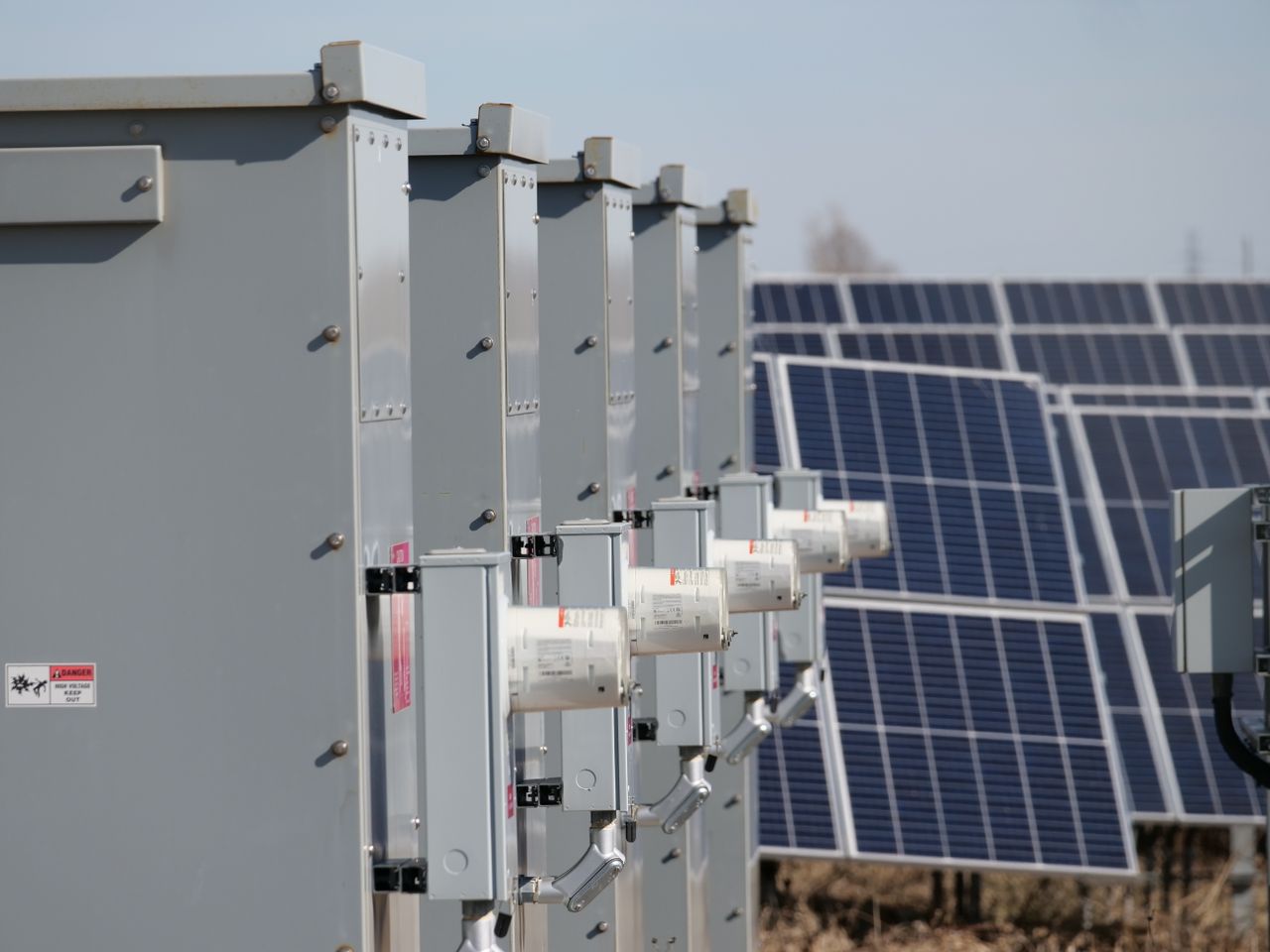
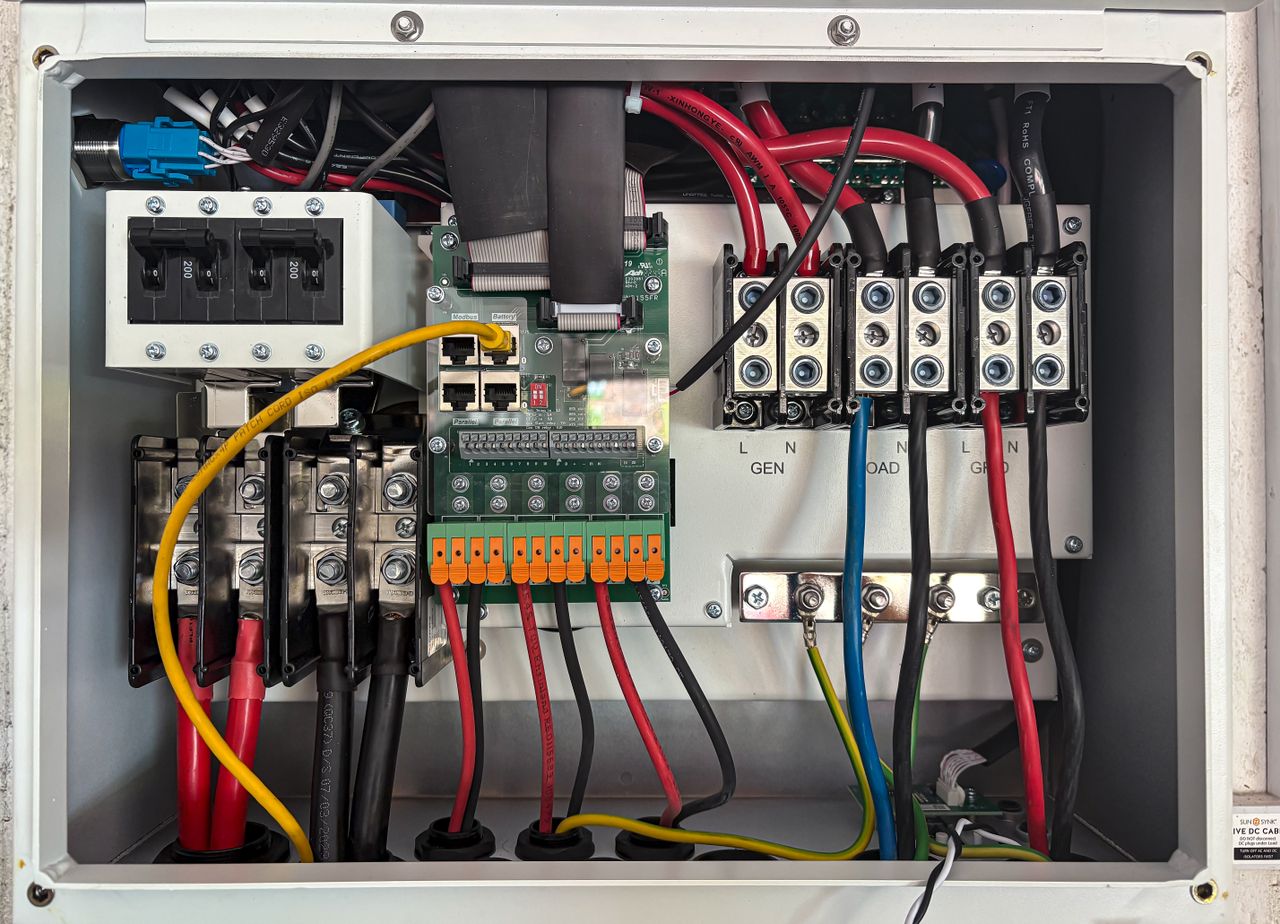
Industrial electrical services focused on reliability, power infrastructure, equipment, controls, and complex facility work.
Residential Electrical services
Explore residential electrical services designed to keep your home safe, reliable, and ready for what comes next.
01
Troubleshooting
Diagnostic work is used to identify electrical faults before repair or replacement begins. This can include circuit testing, continuity checks, wire tracing, load evaluation, and inspection of breakers, outlets, switches, fixtures, and connections.
Troubleshooting can also help distinguish between a device failure, wiring problem, overloaded circuit, or service-related issue. Once the cause is identified, the required corrective work can be determined.
02
Upgrades
Residential upgrades can include electrical panels, service equipment, wiring, circuits, outlets, and other parts of the home’s electrical system. Existing wiring and capacity can be evaluated before adding appliances, equipment, or other new loads.
Older, damaged, or undersized components can be replaced where needed. Additional circuits, disconnects, or distribution equipment can also be installed to support changes in the home.
03
Lighting
Residential lighting work includes interior and exterior fixtures, recessed lighting, ceiling fans, switches, dimmers, and associated wiring. Existing lighting can be replaced or new fixtures and controls can be added where power and wiring allow.
Motion sensors, timers, and dusk-to-dawn controls can be used for convenience or energy reduction. Lighting work can also include new circuits or switching where the existing layout does not support the installation.
04
Power Solutions
Residential power projects often involve loads that should not simply be added to an existing general-purpose circuit. EV charging, backup generators, solar equipment, and other dedicated loads may require new branch circuits, service-capacity evaluation, disconnects, and specialized distribution equipment.
Generator installations can also require transfer equipment and coordination with the existing service.
Solar-related work can include electrical preparation, circuit planning, and required safety disconnects.
05
Home Renovations and Construction
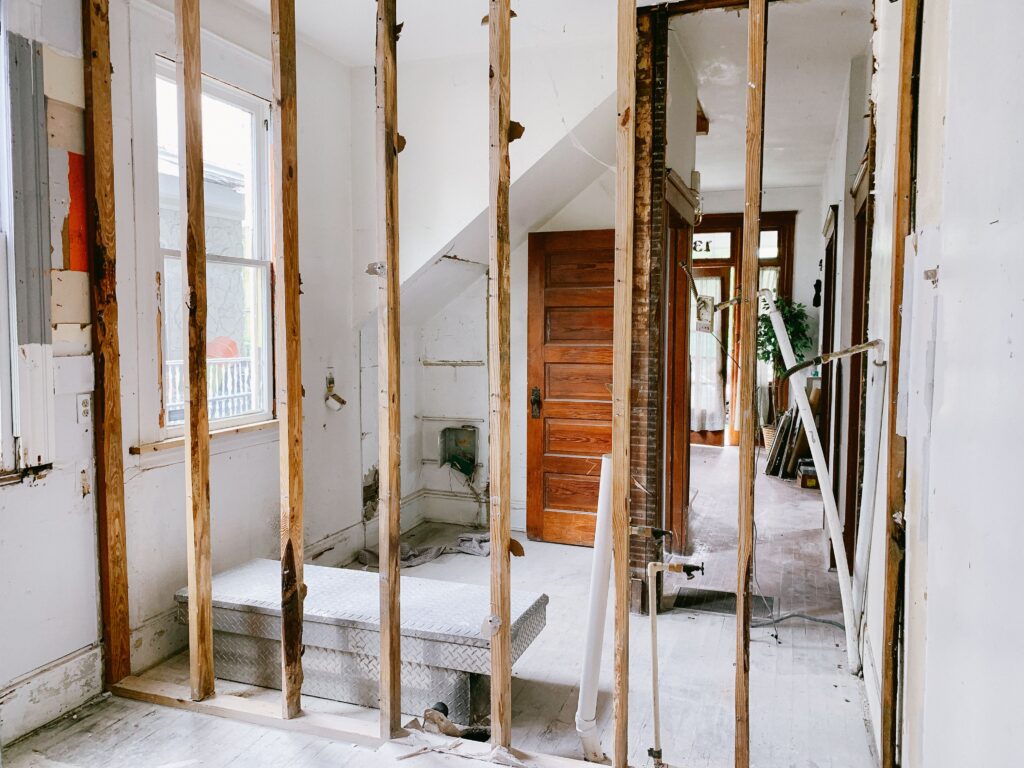
Electrical work for renovations and new construction can include wiring, outlets, lighting, circuits, service planning, and equipment connections. Kitchens, bathrooms, basements, additions, and full-home renovations often require changes to the existing electrical layout.
Electrical requirements can be coordinated with kitchens, bathrooms, additions, basements, and other altered spaces.
Electrical permits are pulled and required NYC DOB inspections are coordinated through project completion.
06
Safety and Code Compliance
Code and safety work focuses on conditions that can create shock, fire, equipment, or inspection concerns. This can include grounding, bonding, circuit protection, GFCI and AFCI devices, disconnects, damaged wiring, and improperly installed electrical equipment.
Existing work can be evaluated to identify conditions requiring correction.
Electrical permits are pulled for the work, with required inspections and documentation coordinated through completion.
Commercial electrical services
Electrical services designed to support commercial properties, projects, and ongoing business operations.
01
Keep Your Property Running
Commercial maintenance includes troubleshooting, repair, and ongoing electrical support for occupied properties and operating businesses. Work can include outlets, circuits, panels, lighting, switches, equipment connections, and other building electrical systems.
Recurring problems can be investigated instead of repeatedly replacing individual devices.
Maintenance can also be scheduled around tenants, customers, employees, or normal operating hours.
02
Build and Renovate
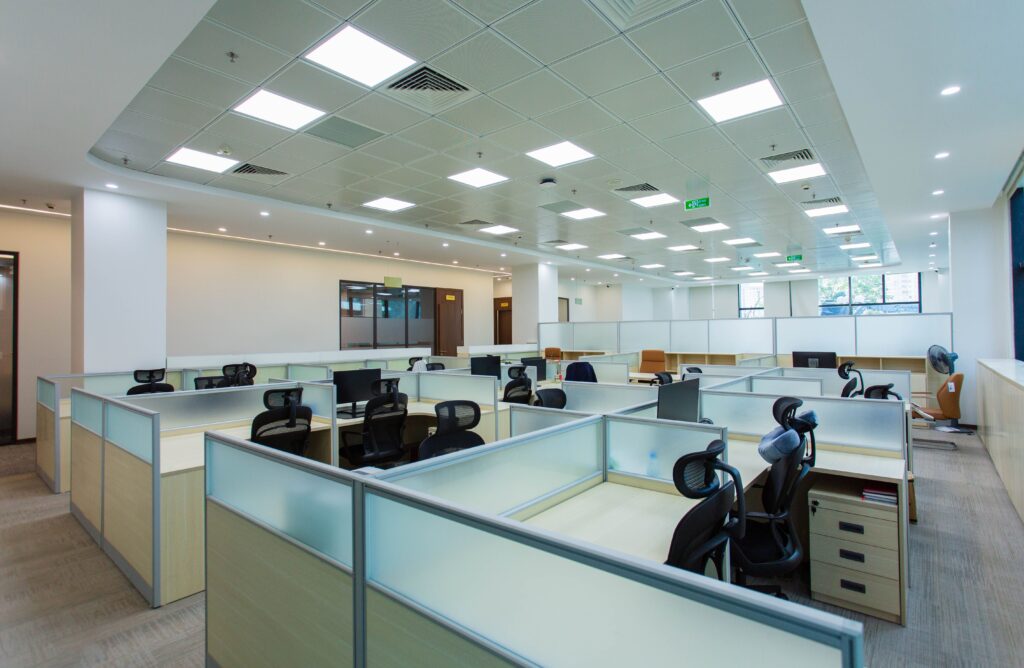
Commercial construction work can include tenant buildouts, renovations, fit-outs, and new construction. Electrical scope may include branch wiring, lighting, panels, circuits, outlets, equipment connections, and service changes.
Work can be coordinated with general contractors and other trades as the project moves from rough-in through final installation.
Electrical permits are pulled and required NYC DOB inspections are coordinated through project closeout.
03
Emergency Response
Urgent electrical problems may include partial outages, damaged equipment, tripping protective devices, failed circuits, or loss of power to critical building systems.
Emergency response can involve testing the affected equipment and tracing the failure through the electrical system. Unsafe components can be isolated while repair requirements are determined.
Restoration and any required follow-up upgrades can then be planned around operating needs.
04
Estimating and Project Support
Electrical estimating starts with understanding the drawings, specifications, equipment requirements, and actual conditions of the property.
Project support can include takeoffs, bid review, load requirements, equipment feeds, and coordination of electrical scope with other trades.
Changes in equipment or layout can require revisions to circuits, distribution, or controls. The electrical scope can be tracked through construction, inspection, and closeout.
05
Lighting and Controls
Commercial lighting work includes interior, exterior, stairwell, corridor, common-area, and site lighting. Existing fixtures can be replaced with LED equipment or new lighting can be installed as part of a renovation or maintenance project.
Controls can include occupancy sensors, timers, dimming, photocells, and scheduled lighting systems.
Emergency and stairwell lighting and other required building lighting can also be repaired or upgraded as needed.
06
Service and Electrical Upgrades
Commercial upgrades can involve service equipment, panels, feeders, branch circuits, disconnects, and added electrical capacity.
Existing systems can be evaluated before new HVAC equipment, machinery, kitchen equipment, or other significant loads are installed.
Variable frequency drives, or VFDs, can also require dedicated electrical feeds, disconnecting means, and coordination with associated equipment.
Upgrades can be phased around building operations where necessary.
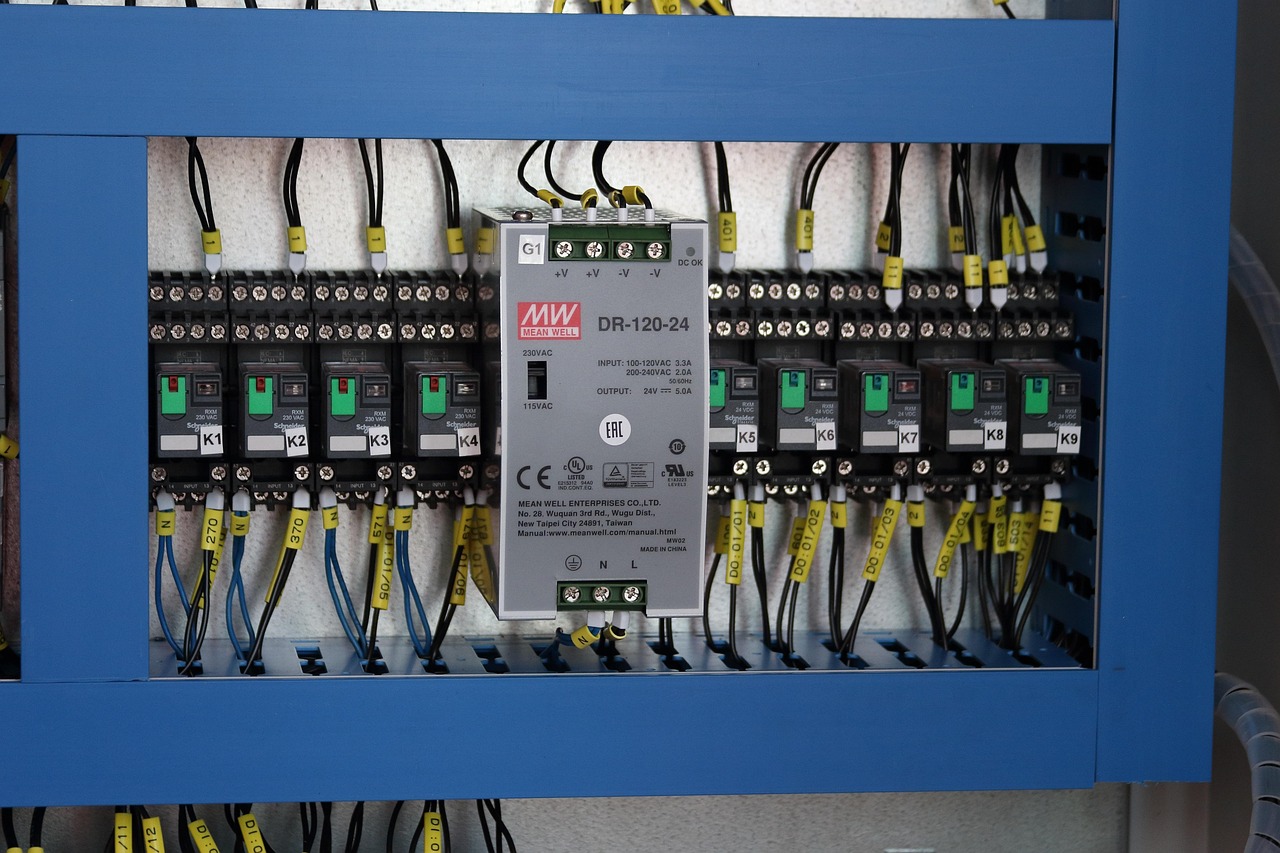
Industrial Electrical services
Industrial electrical support for maintaining reliable systems, expanding capacity, and coordinating complex facility work.
01
Maintenance and Reliability
Industrial electrical maintenance focuses on keeping facility systems, machinery, motors, pumps, and supporting equipment available for operation.
Work can include troubleshooting failures, repairing damaged wiring, replacing electrical components, and correcting recurring faults.
Preventive maintenance can identify loose connections, deteriorated equipment, or other conditions before they result in unplanned downtime.
Corrective work can then be scheduled around production requirements.
02
Power Infrastructure
Facility power systems must support both current production loads and future equipment changes.
Work can include switchgear, transformers, distribution panels, feeders, bus equipment, grounding, and service-capacity improvements.
New machinery or pumps may require dedicated feeders, larger distribution equipment, or changes to the existing electrical system.
Load requirements can be reviewed before equipment is installed.
03
Equipment and Controls
Industrial machinery often requires both power wiring and separate control wiring. Electrical work can include motor circuits, pumps, control panels, starters, VFDs, sensors, interlocks, and equipment disconnects.
New or relocated equipment may also require changes to feeders, raceways, and branch circuits.
Connections can be coordinated with equipment manufacturers, controls contractors, and facility personnel where necessary.
04
Shutdowns and Capital Projects
Industrial projects often require electrical work to be completed during planned outages or restricted production windows.
Shutdown work can include equipment replacement, feeder changes, panel work, machinery connections, and larger facility upgrades.
Planning is used to identify what must be de-energized and what work can be completed while other systems remain operational.
Testing and restoration can be coordinated before equipment is returned to service.
05
Backup Power and Resilience
Resilience planning focuses on which electrical loads must remain available when normal power is lost.
Generator and transfer systems can be connected to selected distribution equipment serving controls, pumps, safety systems, or other critical facility loads. Work may involve new feeders, transfer switches, emergency panels, control wiring, and testing.
Existing backup-power systems can also be evaluated when facilities expand or critical-load requirements change.
06
Testing, Safety and Compliance
Industrial electrical testing can be used to identify faults, verify system condition, and support maintenance or compliance requirements. Work can include inspection of panels, equipment connections, grounding, protective devices, and other electrical systems.
Unsafe or noncompliant conditions can be documented and corrected as part of the scope.
Electrical permits are pulled, with required inspections and project documentation coordinated through completion.
Expert Electrician Services for Every Need
Repair, upgrade, buildout, maintenance call, or larger project—we’ll start with the details and determine the right path forward.
LICENSED ELECTRICAL CONTRACTOR
Led by New York City Licensed Master Electrician Timothy Coleman, we support residential customers, commercial stakeholders, contractors, and industrial facilities.
Work is approached with attention to safety, applicable codes, coordination, documentation, and the requirements of the property or operating environment, ensuring safety and compliance while delivering quality workmanship for every project.
Required permits are pulled and Department of Buildings inspections are coordinated for all electrical work.
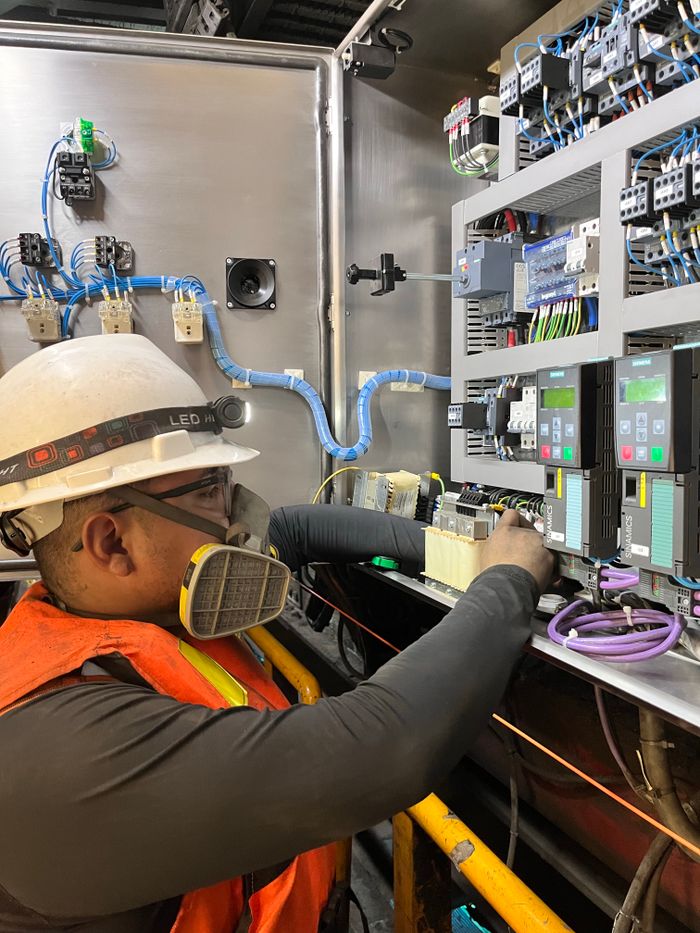
PREFER TO SPEAK WITH SOMEONE?
Call us directly for service requests, project questions, estimates, or emergency electrical needs.